




Why "building faster" now matters more than "building cheaper" - and what the numbers say
The traditional construction calculus - minimize cost per square foot, optimize procurement, squeeze subcontractor margins - is losing relevance in the data center sector. A different metric has taken over: time to commissioning.
Here is why that shift is structural, not cyclical.
THE DEMAND CONTEXT
In 2024, hyperscalers collectively spent roughly $210 billion on AI-driven data center capex - a figure that 2025 commitments surpassed. McKinsey estimates the sector will require up to $5.2 trillion in cumulative infrastructure investment by 2030 to meet projected AI demand alone. JLL's 2026 outlook anticipates approximately 100 GW of new capacity coming online between 2026 and 2030.
The consequence of this pace: supply cannot keep up. CBRE's 2024 survey documented record tenant demand and historically low vacancy - with rents up 20–30% year-over-year and many new facilities pre-leased before a single server rack was installed. By early 2025, the vacancy rate in major U.S. markets hit a historic low of 1.4%.
THE COST OF A MONTH
This is where the speed-vs-cost argument becomes concrete. Industry research (BRG/ThinkSet) puts the cost of schedule slippage for a hyperscale facility at up to $14.2 million per month in lost revenue. Analysis by STL Partners modeled the IRR impact on a representative 60 MW facility: on-time delivery yields a 17.1% return; a three-month delay drops it to 12.6%; six months brings it to 8.8% - often below the investment threshold for institutional backers.
In several cases documented in 2025, a single construction slip triggered sharp moves in operator share prices - outweighing quarters of record operating performance. As one industry analysis put it: time has become the scarcest currency in the data center economy.
WHERE DELAYS ACTUALLY COME FROM
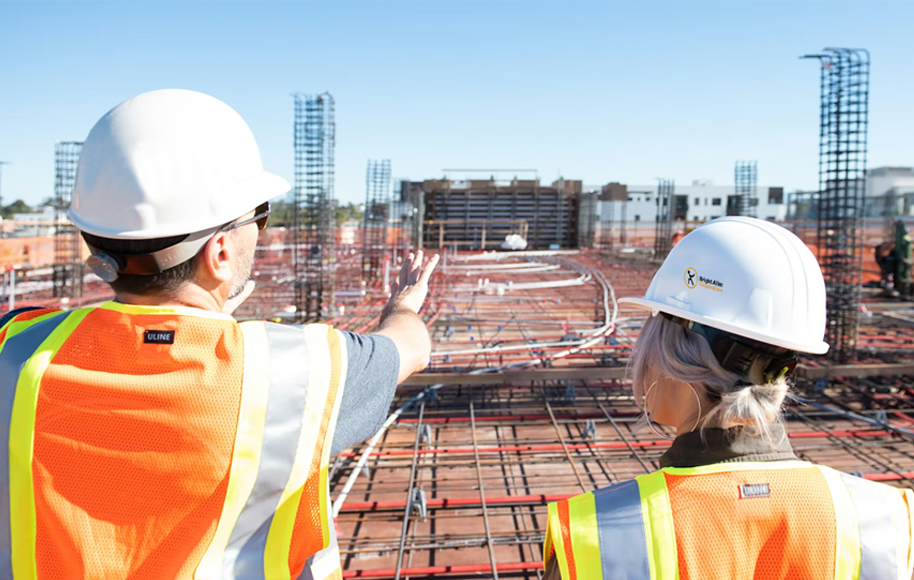
It is worth being precise here, because "build faster" is easy to say and hard to execute. The real bottlenecks are not primarily about construction craft - they are systemic:
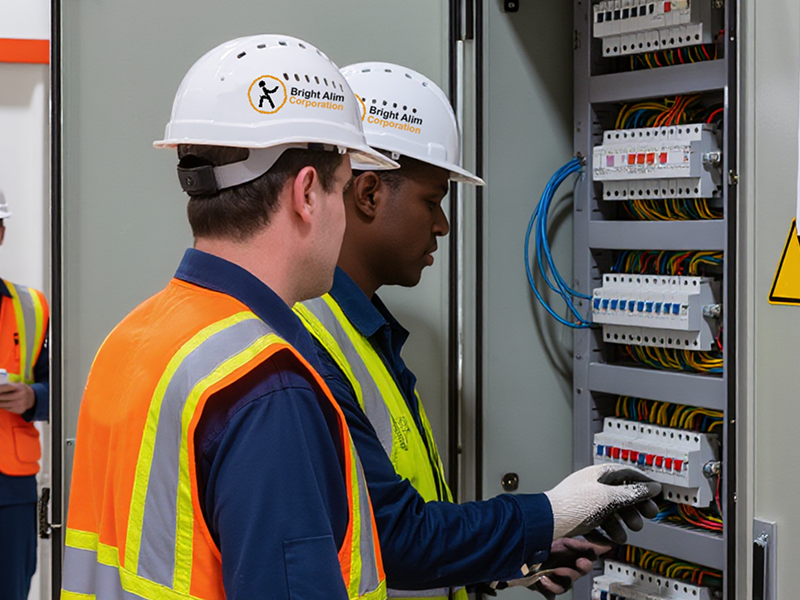
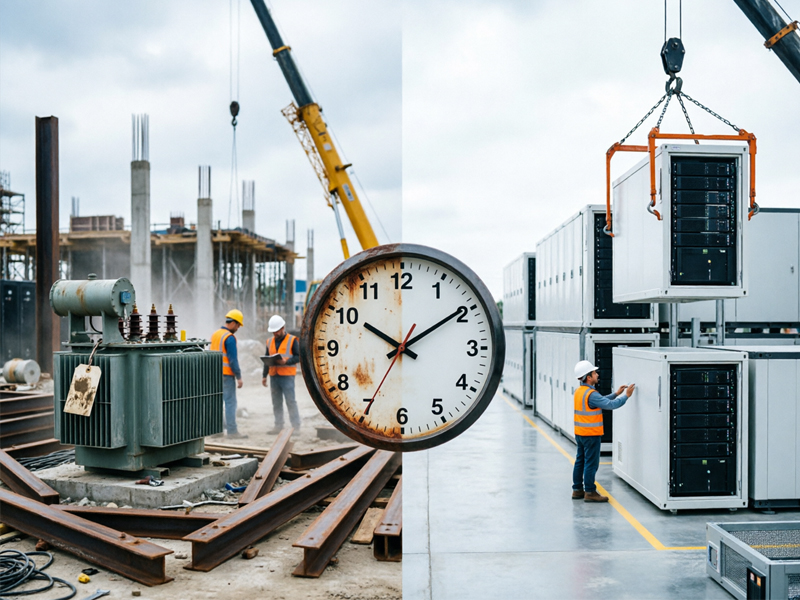
Power infrastructure. CBRE's data center research director identified power and electrical equipment as the primary driver of construction delays. Grid connections can add years to a timeline - transformer lead times hit 120–210 weeks in 2024.
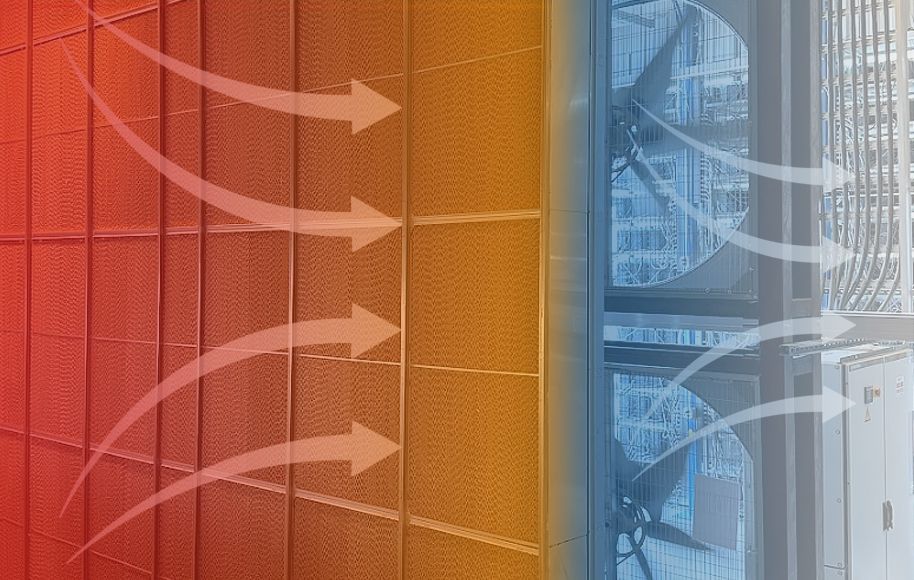
Systems integration. AI-ready facilities require power densities of 40–250 kW per rack - compared to 5–10 kW in traditional data centers - meaning cooling, thermal, and filtration systems must be designed and installed as an integrated system, not sequentially.
Labor. The Associated Builders and Contractors estimates 499,000 additional specialized construction workers will be needed in 2026 alone to meet sector demand.
WHAT THIS MEANS FOR CONTRACTORS AND DEVELOPERS
Modular and prefabricated approaches have shown measurable results: according to industry data, modular designs can compress construction timelines from 24 months to 12. Parallel workstreams - where civil, mechanical, and electrical scopes are executed simultaneously rather than sequentially - are becoming the standard expectation, not a premium offering.
JLL's 2026 Global Data Center Outlook identifies speed to power as the primary criterion driving site selection - ahead of land cost, community support, and proximity to customers. This is a fundamental reordering of priorities that has direct implications for how contractors are evaluated and selected.
For developers and their capital partners, the question is no longer "which contractor gives us the best price?" It is "which contractor can credibly defend a commissioning date - and what happens to our IRR if they cannot?"
The cost optimization mindset is not wrong - but it is increasingly a second-order concern. In a market where facilities are leased before they are built and delays cut investor returns nearly in half, the contractor who delivers on schedule is delivering the most value, regardless of where their bid is ranked.